-
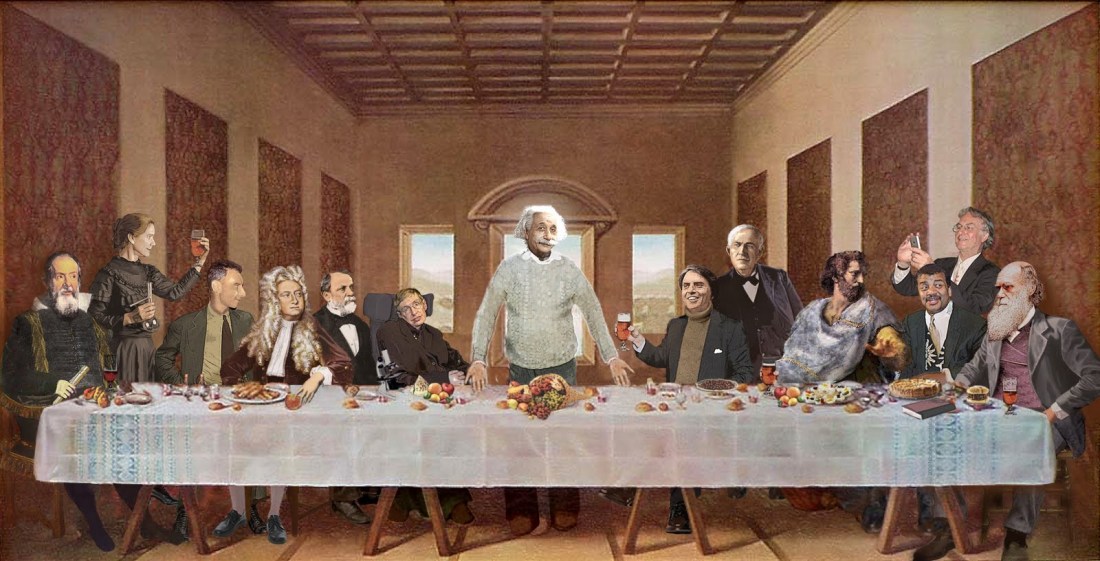
Figure 1. Parody of The Last Supper.
To-days lecture offered reflection on the possible problematic offering of poor food choices combined with aggressive marketing. The class appeared to agree that food may be regarded as addictive to some people. Volkow, Wang, Fowler & Telang, (2008), conducted research into the effects of food and recreational drugs. The suggestion is, that both food and drugs evoke a reinforcing effect by increasing the dopamine in the limbic system. Food and drugs activate the brain reward circuitry. One thought was: ‘well, many religions use fasting, and forms of self-control regarding food (such as lent in the Christian calendar and Ramadan practised by Muslim’s)’.
![1133f1ff4828944d90f07b84d1b5cb55[2]](https://religiouslyconsuming.video.blog/wp-content/uploads/2018/10/1133f1ff4828944d90f07b84d1b5cb552.jpg?w=1100)
-
Figure 2. No mention of gluttony specifically.
Therefore Religion may be considered to offer a protective factor guarding against overindulgence?
![bruegel0[1]](https://religiouslyconsuming.video.blog/wp-content/uploads/2018/10/bruegel01.jpg?w=1100)
-
Figure 3. Bruegel’s ‘The Peasants Wedding’ (1567-1568) oil on wood. Occasions such as this may normalise excessive food consumption.
As counter-intuitive as it may seem, research suggests that being religious may lead to obesity. Cline, & Ferraro (2006), report that there is a higher rate of obesity among religious adherents and also found some differences between men and women. The differences: women who used religious media either were obese or became obese while men who turned to religion for consolation were not obese. One interpretation of these findings is that men may turn to religion for consolation instead of food. Yeary, Sobal, & Wethington, (2017), conducting a review of the literature after locating and coding 85 studies, found that found that religiosity was linked with higher body weight. One suggestion for the above findings is that religious gatherings may promote greater food consumption. Being with fellow Devotee’s, and feasting within a religious context may have an effect of normalizing overeating.
-
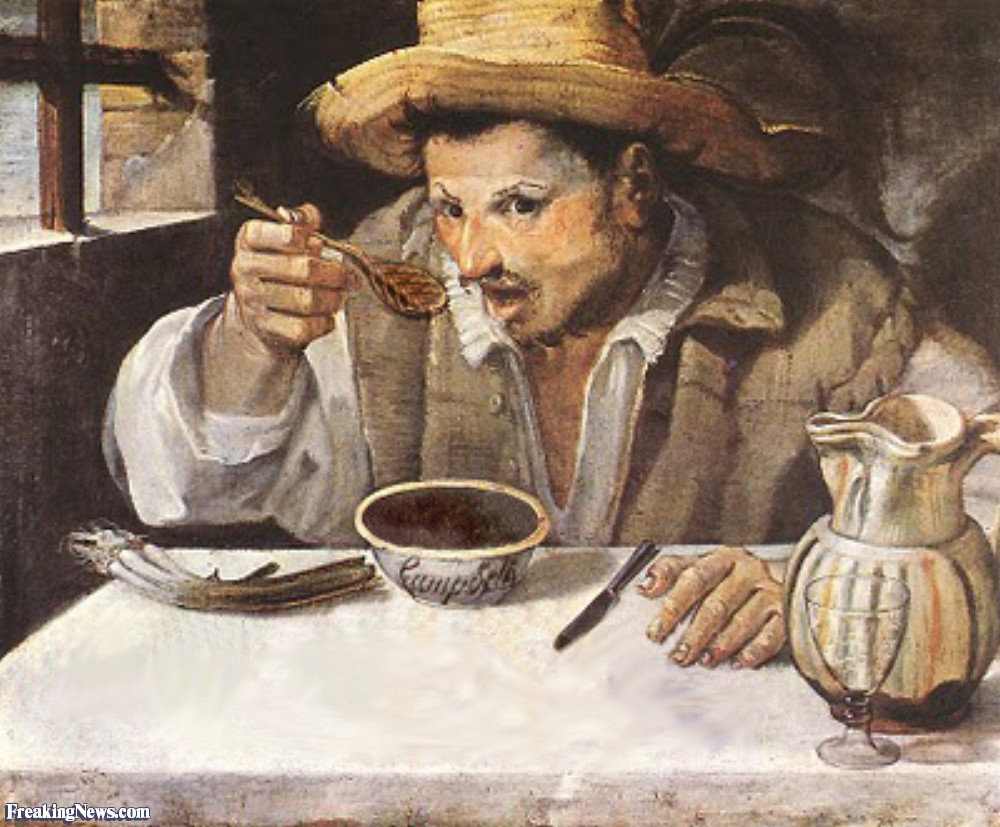
Figure 4. Wansink (2010) experimented with an auto-fill soup bowl, participants ate 73% more soup. As the soup bowl remained half full, participants remarked that they could not be full.
Wansink, (2010) elaborating on his 2004 seminal research ‘Bottomless bowls: Why visual cues of portion size influence intake’, (auto-fill soup bowls = 73% more consumption) has found specific measures to reduce food intake. One simple, yet impress device is the reduction of plate size. If a plate measures 12.5 inches a person will eat 27% more, than if served food on a 9.5 inch plate.

-
Figure 5. 9.5 inch plate.
Applying the notion that food consumption will be reduced on plate size, offers a great opportunity for the catering industry to implement changes in their food presentation. Why would an industry marketing food wish to reduce food consumption?

-
Figure 6. 12.5 inch plate. Customers will eat 27% more than the 9.5 inch plate in Figure 4.
As customers are increasingly aware of their rights and the catering industry aware of litigation, being a responsible purveyor of vitals is a priority. Taking steps to ensure a consumers health and comfort are not only important, they are vital for business to thrive. Freedman, & Brochado, (2009), found that reducing portion size in an ‘all-you-can-eat’ environment is not noticed by most customers and represents a lowering of calorific intake.
Word Count: 426
References
Cline, K., & Ferraro, K. (2006). Does Religion Increase the Prevalence and Incidence of Obesity in Adulthood?. Journal For The Scientific Study Of Religion, 45(2), 269-281. doi: 10.1111/j.1468-5906.2006.00305.x
Ferraro, K. (1998). Firm Believers? Religion, Body Weight, and Well-Being. Review of Religious Research, 39(3), p.224.
Freedman, M. and Brochado, C. (2009). Reducing Portion Size Reduces Food Intake and Plate Waste. Obesity, 18(9), pp.1864-1866.
Volkow, N., Wang, G., Fowler, J. and Telang, F. (2008). Overlapping neuronal circuits in addiction and obesity: evidence of systems pathology. Philosophical Transactions of the Royal Society B: Biological Sciences, 363(1507), pp.3191-3200.
Wansink, B. (2010). From mindless eating to mindlessly eating better. Physiology & Behavior, 100(5), pp.454-463.
Yeary, K., Sobal, J. and Wethington, E. (2017). Religion and body weight: a review of quantitative studies. Obesity Reviews, 18(10), pp.1210-1222.
Figure 1 accessed 18/10/18 https://religiouslyconsuming.video.blog/wp-content/uploads/2018/10/7a856-sciencelastsupper.jpg
Figure 2 accessed 18/10/18https://rjchristiancoaching.com/wp-content/uploads/2015/03/08.-Prayer-fasting.-Facebook.jpg
Figure 3 accessed 18/10/18 http://www.highrise.dircon.co.uk/deptlads/brussels/bruegel0.jpg
Figure 4 accessed 18/10/18 http://www.freakingnews.com/pictures/75500/Man-Eating-Campbells-Soup-Painting–75821.jpg
Figure 5 accessed 18/10/18 https://static.petersofkensington.com.au/images/ProductImages/479051-Zoom.jpg
Figure 6 Accessed 18/10/18 https://www.serenaandlily.com/on/demandware.static/-/Sites-masterCatalog_SerenaandLily/default/dw5cbafe77/hi-res/Fairfax_Plate_Large_Blue_OH_MV_Crop_SH.jpg

 Religiously Consuming